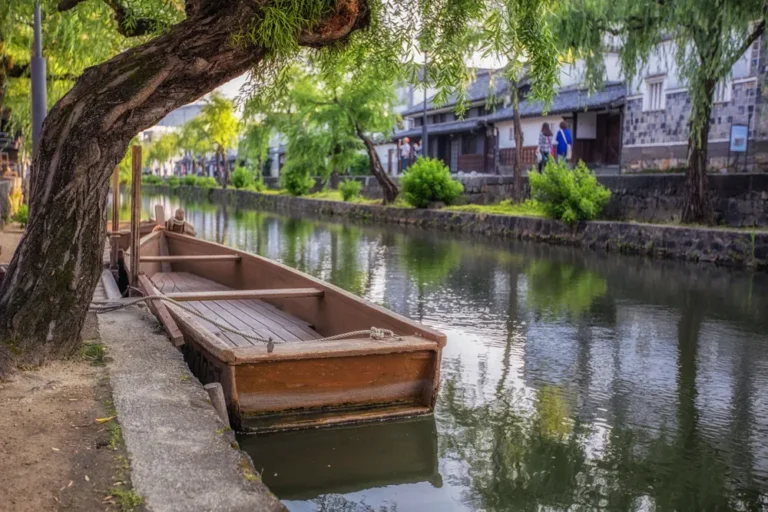
Before our family trip to Okayama, I wanted to learn more about three places that caught my imagination: Kurashiki’s historic streets, the earthy beauty of Bizen ware, and the art-filled island of Inujima. This is my record of what I discovered before seeing them for myself...
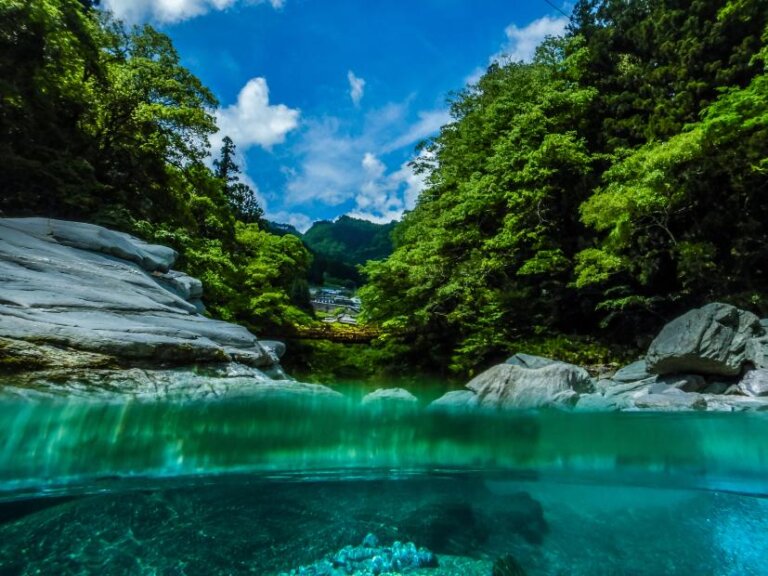
What makes Shikoku feel different from the rest of Japan? Discover the landscapes, food, traditions and places that can help the island come alive before your first trip...
What does it mean to grow older in one of the world’s oldest societies? Japan offers a revealing look at how purpose, social roles, ikigai, and everyday connection can shape later life...
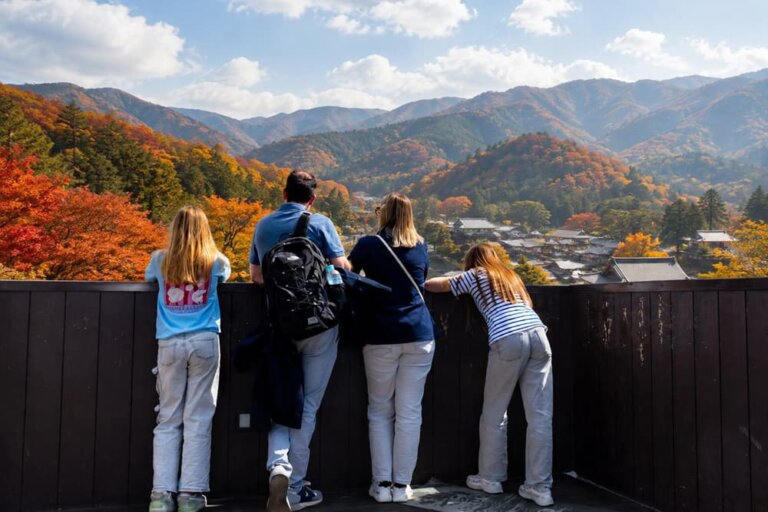
Finding one private room for a family of four in Japan can be tricky. Here are the Shikoku hotels I shortlisted for our trip, with non-smoking rooms, private bathrooms and practical sleeping setups...
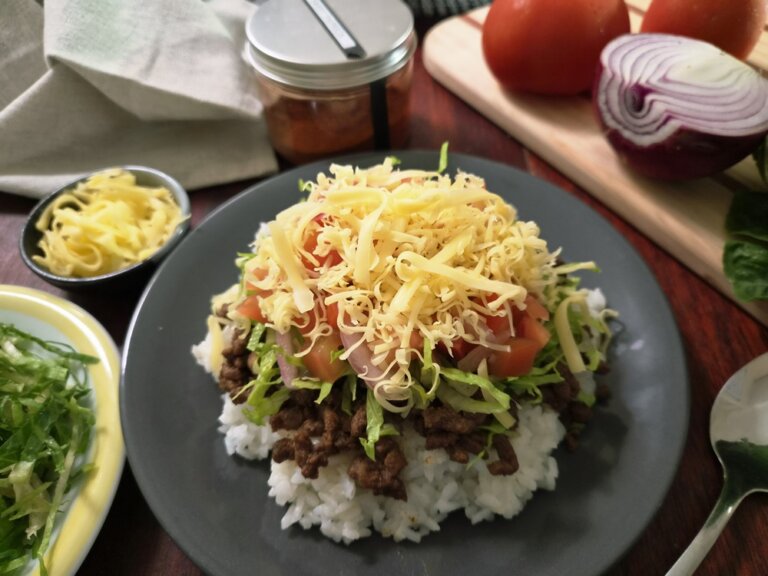
A quick family favourite created in 1980s Okinawa, taco rice layers seasoned beef, fresh salsa, lettuce, and cheese over rice. Learn the simple home recipe and the story behind this Okinawan favourite...
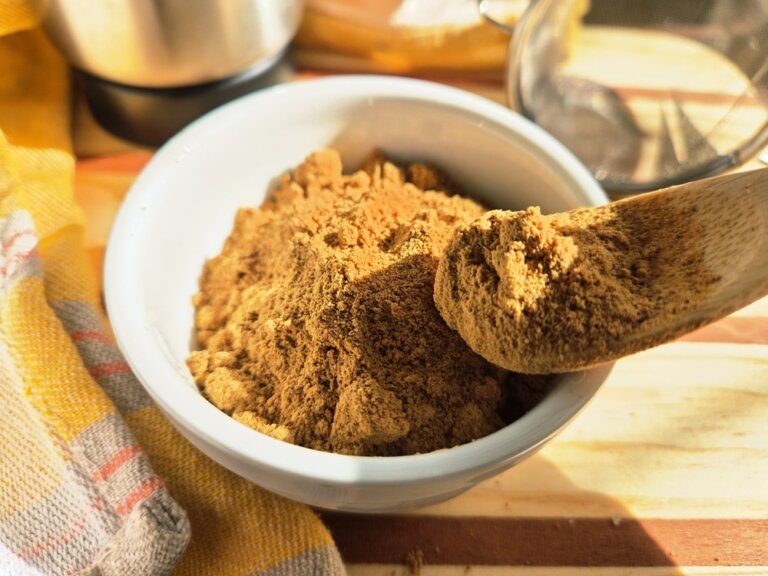
Learn how I started making kinako at home from dried soybeans, then try five simple ways to use it, including yogurt, toast, oatmeal, ice cream, and matcha warabi mochi...
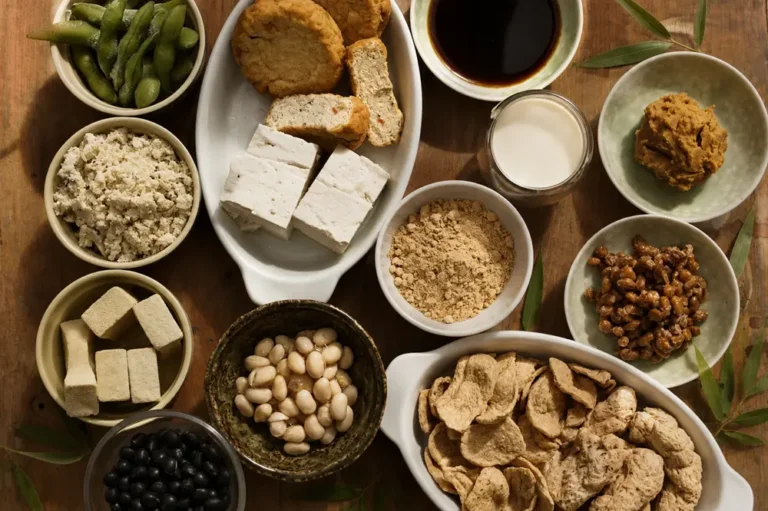
From complete protein and gut health to LDL cholesterol, fermentation and texture, soy connects with many of today’s biggest food and health trends. But the form of soy we eat matters...
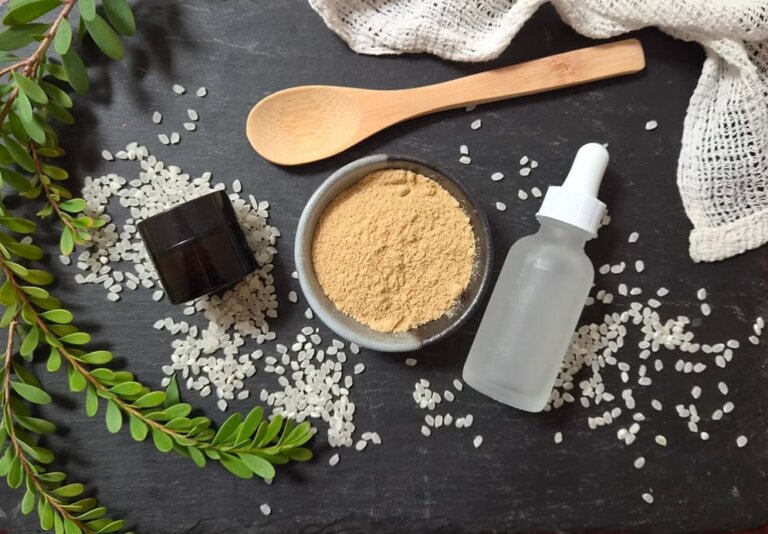
From Edo-period nuka bags to modern serums, discover how rice bran became part of Japanese skincare and why this centuries-old ingredient still matters today...
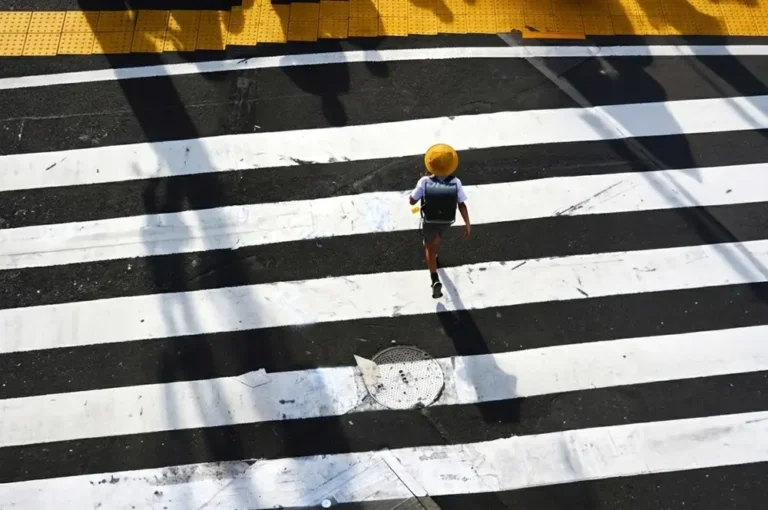
The answer goes far beyond low crime rates. Discover how parents, schools, local communities, and everyday routines work together to build independence, responsibility, and trust through one of Japan's most remarkable traditions...
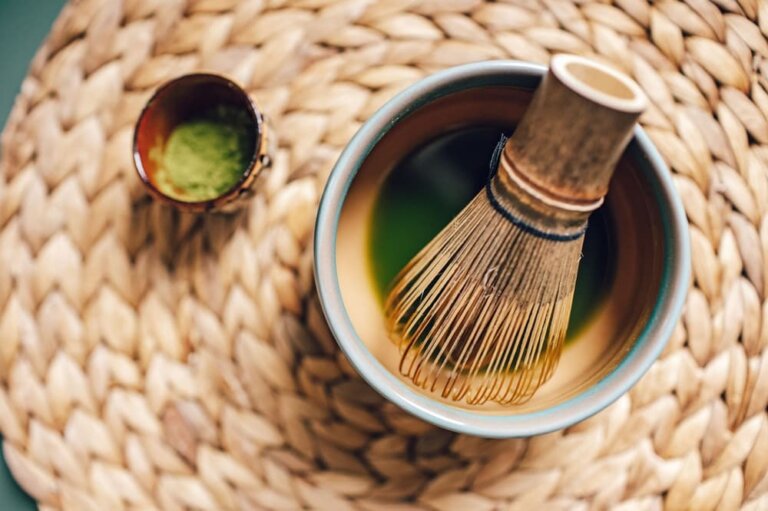
I thought buying a matcha whisk would be simple. Instead, it led me into the world of Japanese chasen, traditional craftsmanship, and an unexpected search for the right whisk from outside Japan...
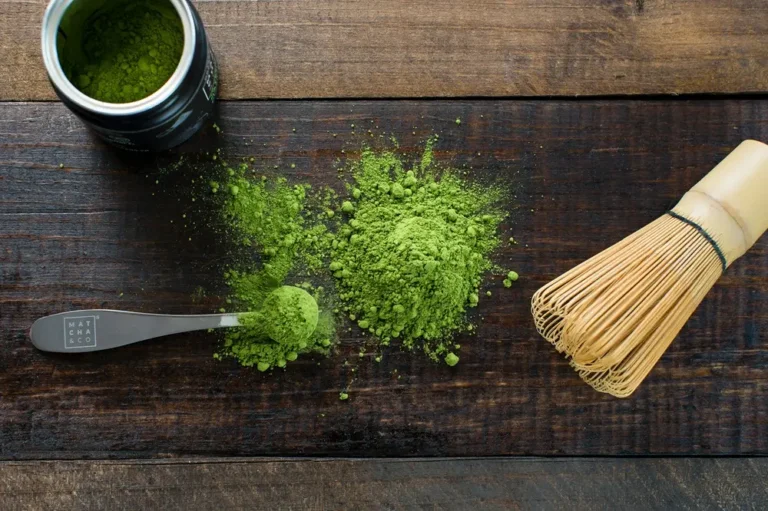
When I decided to make matcha at home, I realised I knew far less than I thought. This is the story of how I discovered what makes matcha different—and how I chose an authentic Japanese matcha for my first bowl...
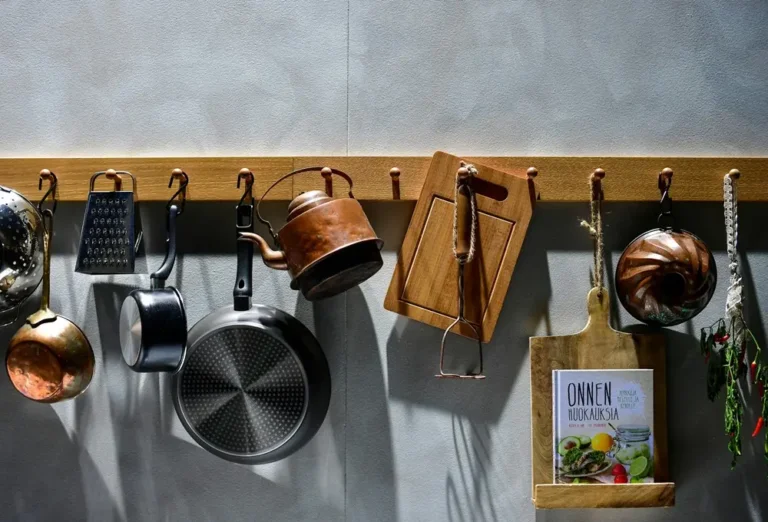
Discover why Japanese household products and kitchen tools feel so thoughtfully designed. Explore the quiet design thinking behind them, along with recommendations for everyday tools...
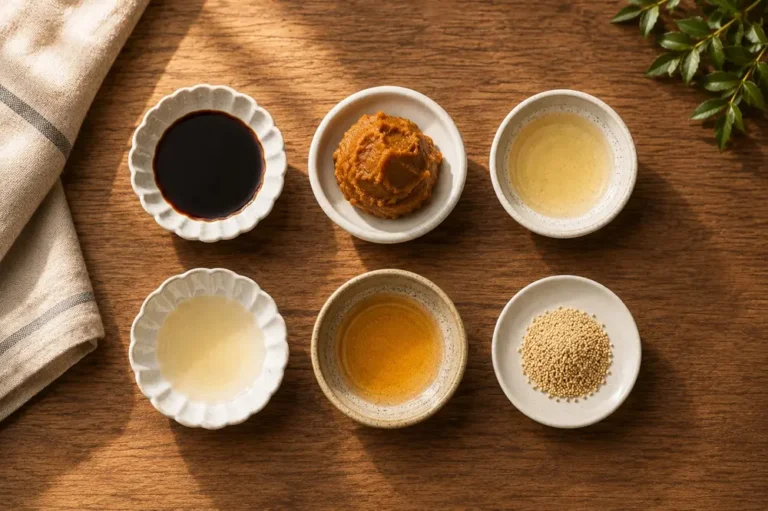
Learn the six seasonings that form the foundation of everyday Japanese recipes, how to choose them, and how to make an easy homemade teriyaki sauce...
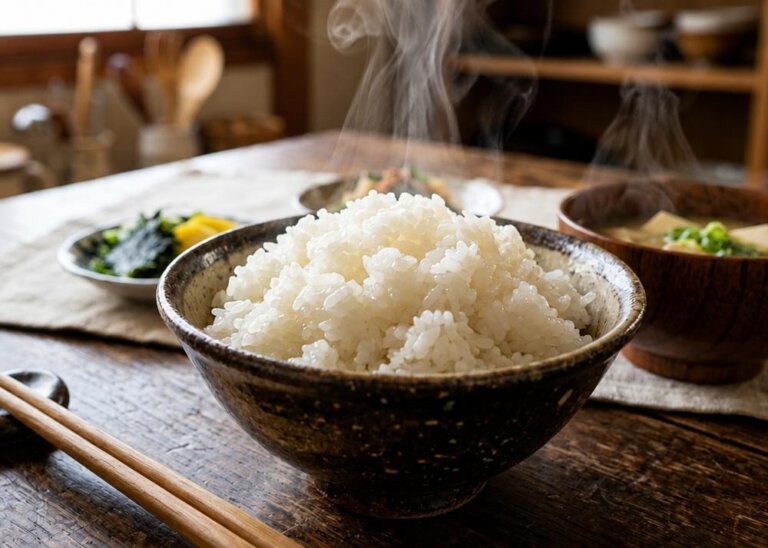
After years of trying different rice cookers, I discovered that the secret to cooking better Japanese rice abroad wasn't a more expensive machine. Here's the method and kitchen setup that finally worked...

Finding a family room in Tokyo isn't as easy as it sounds. We've picked hotels and apartments that actually suit families of four, so everyone gets a proper bed and a good night's sleep...
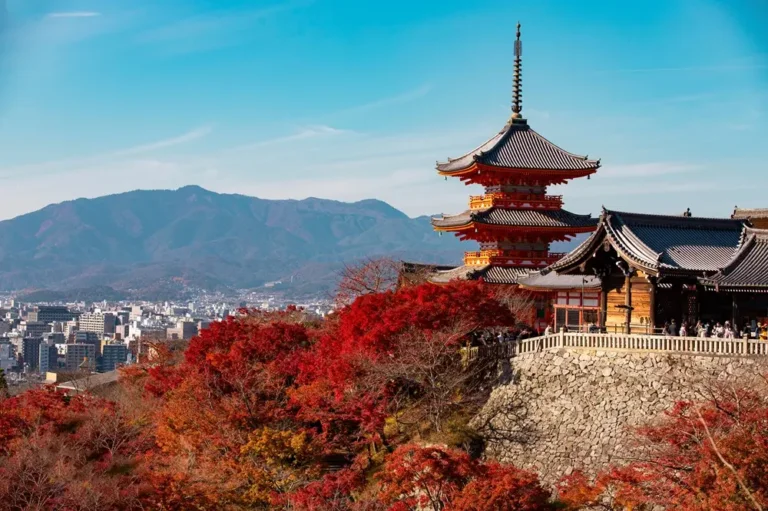
Planning a first trip to Japan can quickly become complicated. Learn what self-guided tours in Japan actually include, how they simplify planning, and how to choose the right itinerary for your trip...
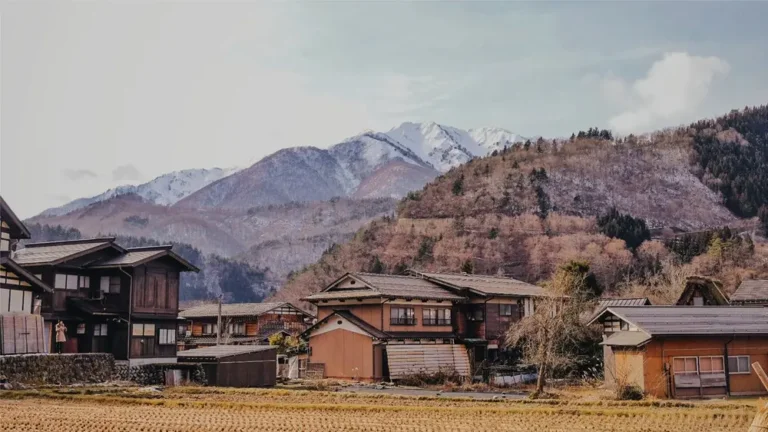
In Japan, a fifty-year-old wooden house may be valued at zero. This article explores how postwar housing policy, changing lifestyles, and the rise of akiya shaped this system, and why a growing number of people are now choosing to renovate kominka...
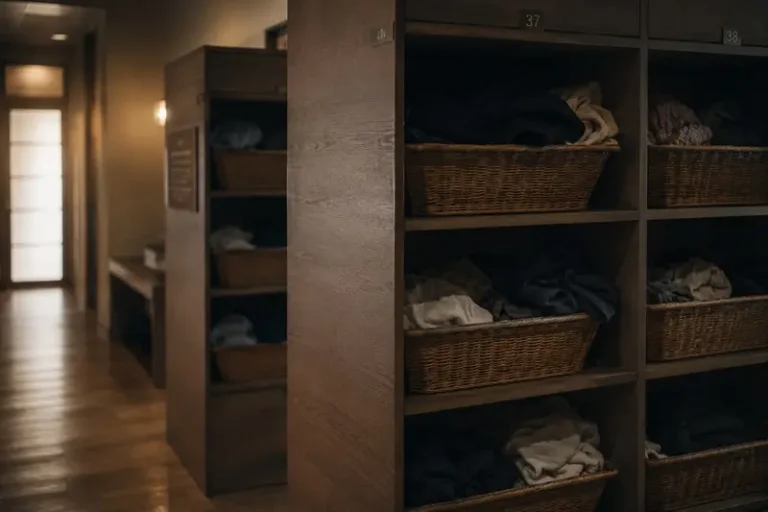
Many first-time visitors worry about being naked in a Japanese onsen. This article explores why most Japanese people don't feel the same embarrassment, and how the onsen came to work so differently...
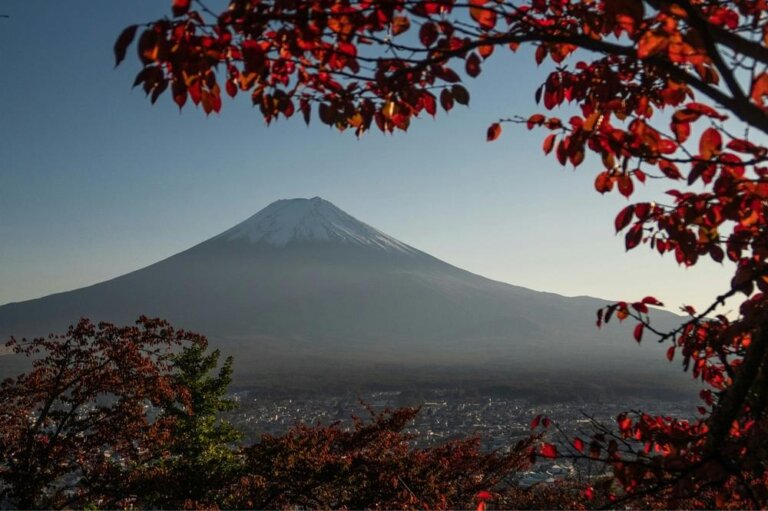
Planning one unforgettable ryokan stay near Mt. Fuji? Discover nine carefully selected onsen ryokan in Hakone, Atami, Yugawara, and Izu Nagaoka, each offering a different experience worth travelling for...
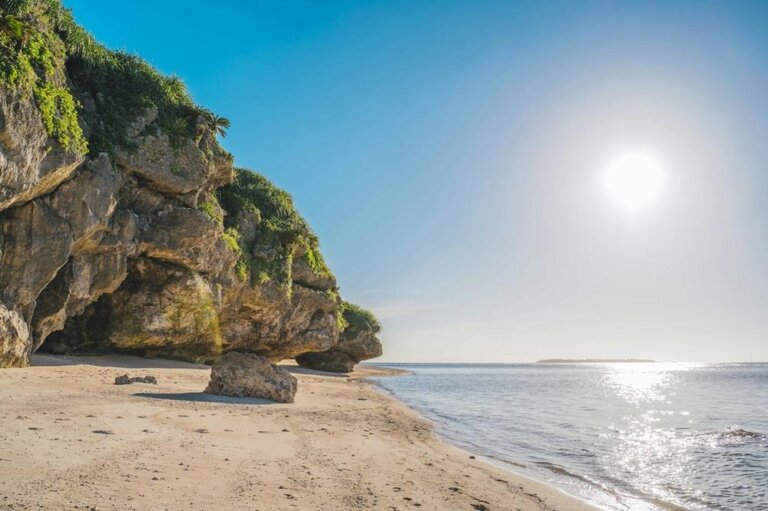
Looking for an Okinawa beach resort without the luxury price tag? Compare eight carefully researched stays, grouped by the kind of holiday each one is designed to create...
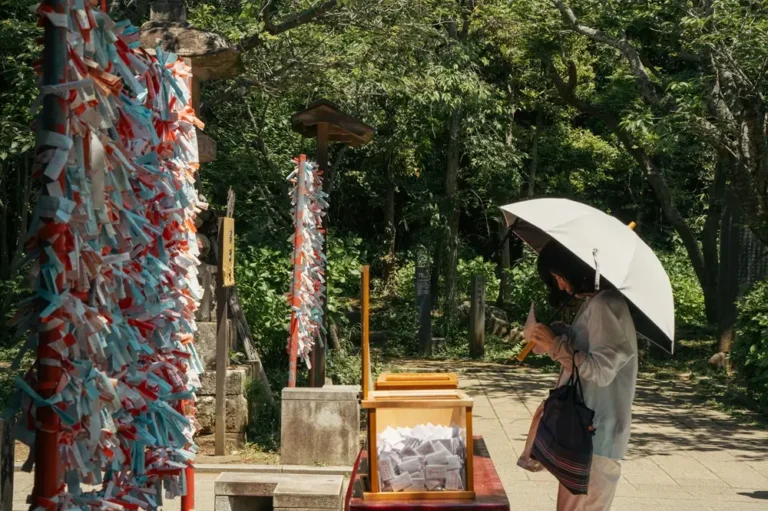
Why does Japan feel so easy to be in? The answer may have less to do with safety than you think. A cultural essay on predictability, uncertainty, and everyday life...
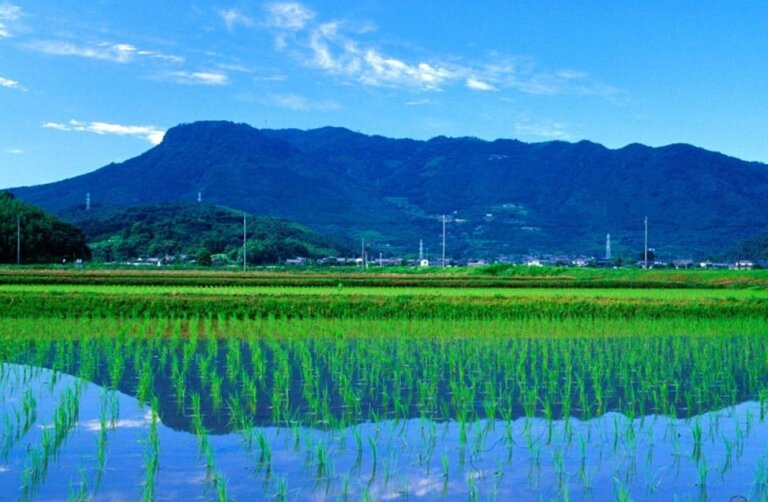
Discover the faith, landscape, local cuisine and secluded onsen of Yabakei, from the hand-carved tunnels of Ao no Domon to the ancient stones of Rakanji. A guide to one of Kyushu's most layered valleys...
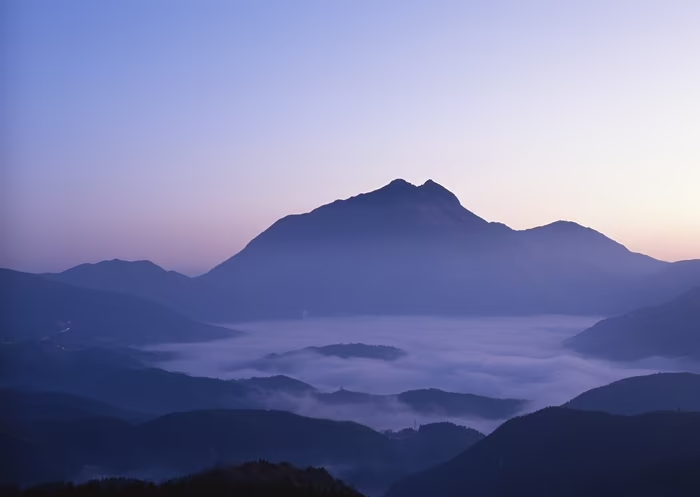
Most visitors leave Yufuin without realising what makes it different. Discover the history, ryokan, and quiet decisions that shaped Japan's most distinctive onsen town...
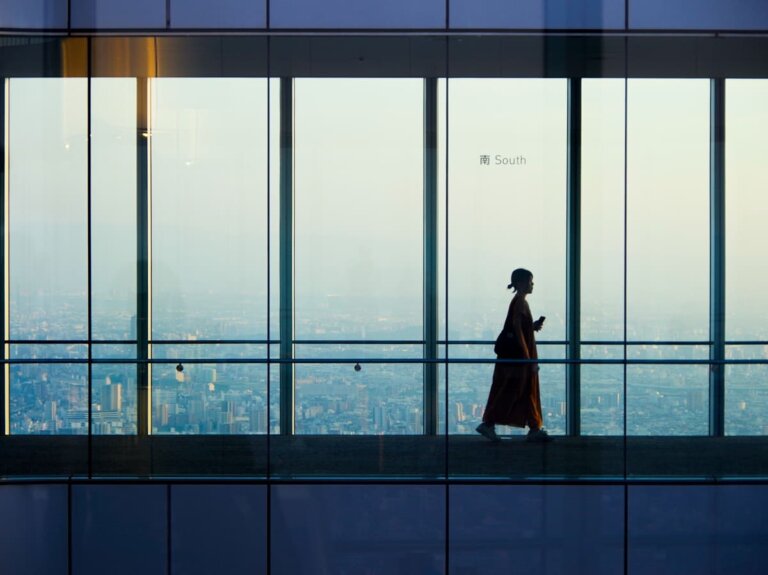
AI is dismantling Japan's language barrier faster than anyone predicted. But what happens to a culture when the wall that shaped it begins to disappear?...

Why do some Japanese people seem younger than their age? Looking more closely reveals a more interesting story about biology, daily habits, and how we read age in the first place...
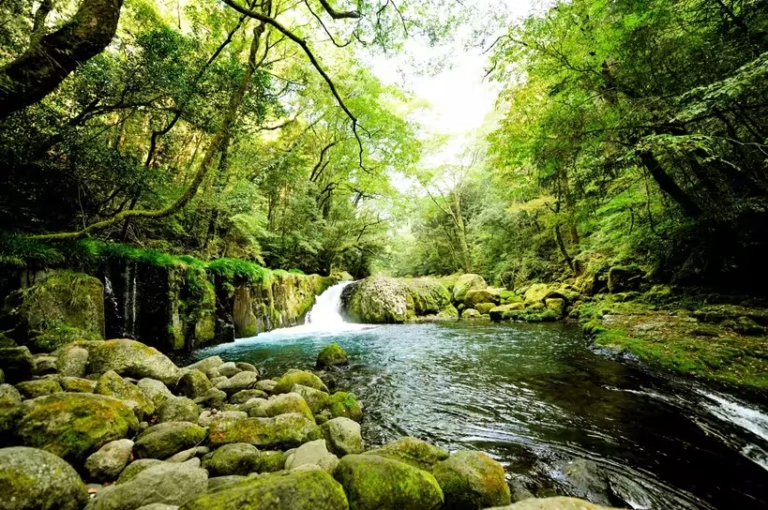
Most visitors stop at Kumamoto Castle. This drive takes you north, into a village of rescued farmhouses, a Meiji theatre still staging kabuki, a Zen temple serving shojin cuisine, and a gorge fed by Aso's underground waters...
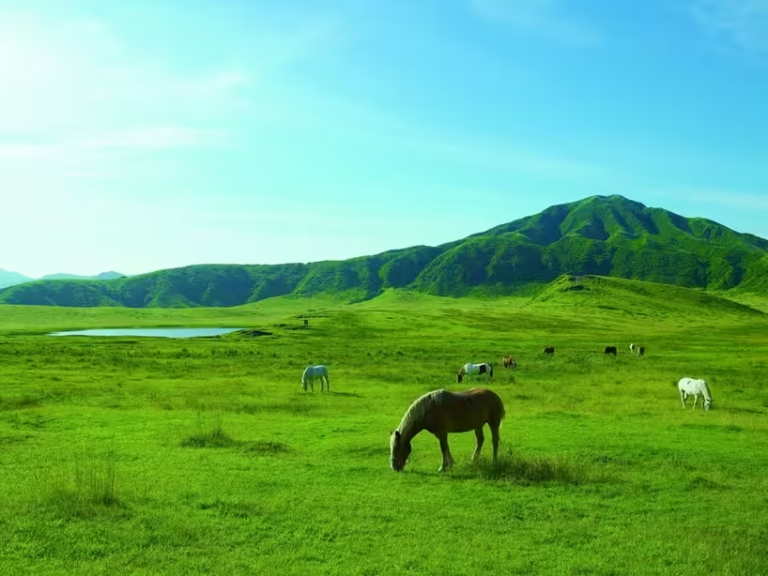
From the crater to ancient standing stones, firelit dining rooms, and three very different hot spring towns — a practical guide to the Aso region and what surrounds it...
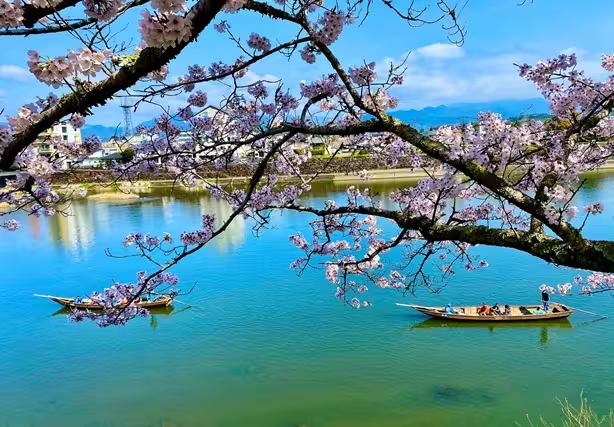
A drive into Kumamoto's most enclosed valley, where one clan ruled for seven centuries. Hitoyoshi, the Kuma River, ancient cedar, and a rice spirit unlike anything else in Japan...
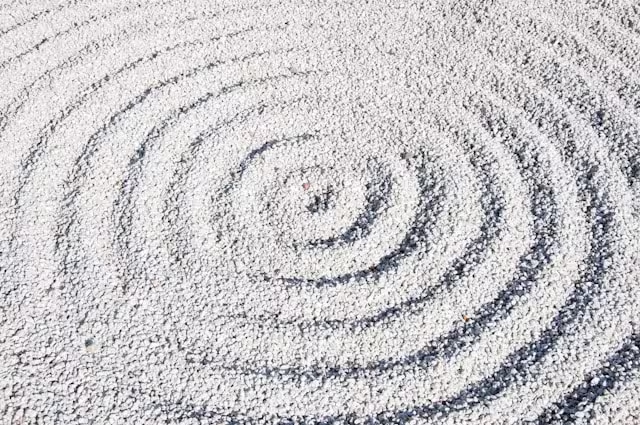
In Japanese, you do not get angry. Your belly rises. Long before gut health became a trend, Japan built a way of life around the stomach. The logic is subtractive...
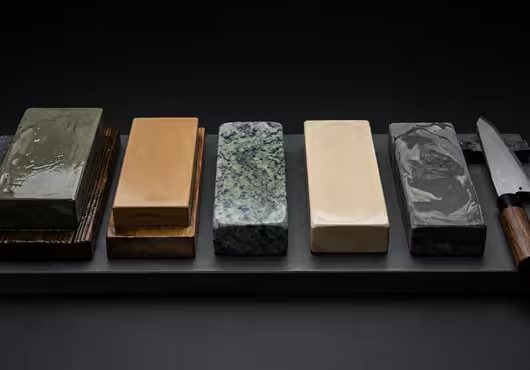
A whetstone is not a tool you pick up when something goes wrong. It is the regular practice that keeps a Japanese knife in the relationship it was made for...
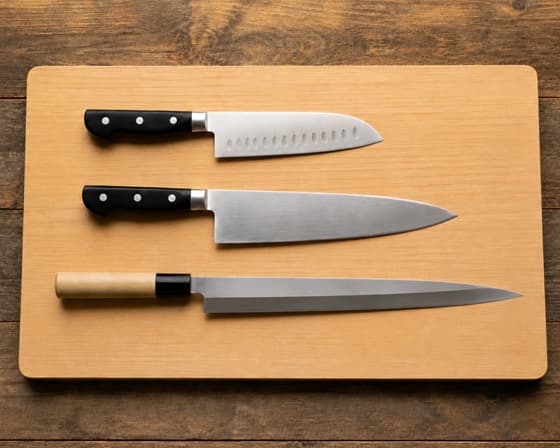
Three knives, three price points each. Santoku, Gyuto, and Yanagiba — selected for craftsmanship, steel quality, and honest usefulness. All made in Sakai...
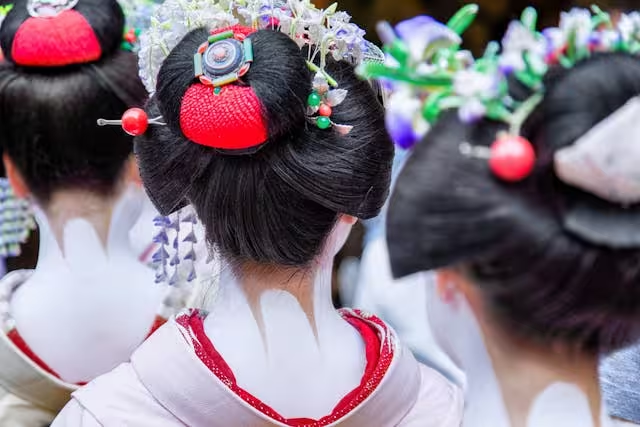
Kyoto's geiko and maiko are not hidden. Five flower districts. Seasonal performances open to the public. One stage where all five appear together. Here is where to look...

Snow arrives in Aomori in November and does not leave until April. Everything that came from this place carries the mark of that fact...
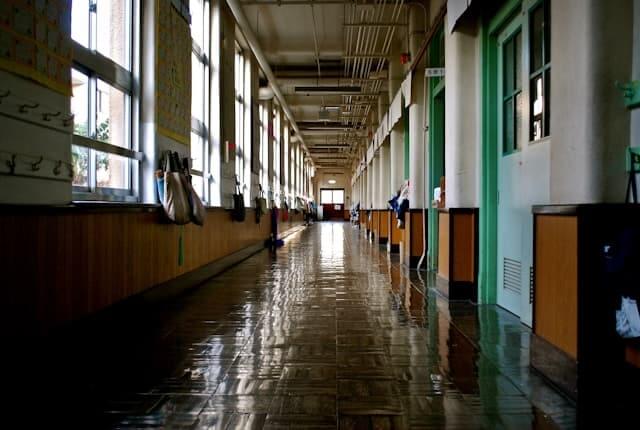
The secret of Japanese longevity may not be what people eat, but why they never stopped eating that way. The answer lies in a system hidden in daily life...

In a world racing toward automation, Japan kept something back — craft, ritual, and the quiet discipline of doing things by hand. This is what that choice looks like now...
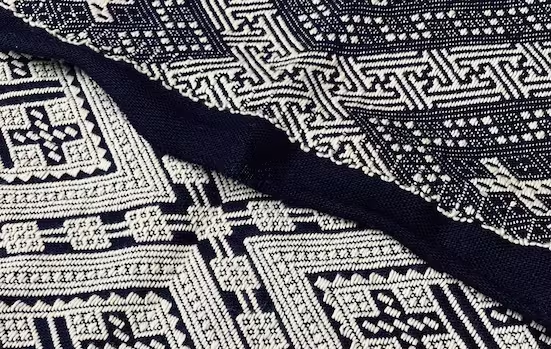
Sashiko began not as art, but as survival — women in the cold north of Japan pushing thread through hemp cloth to keep the wind out. The beauty came later...
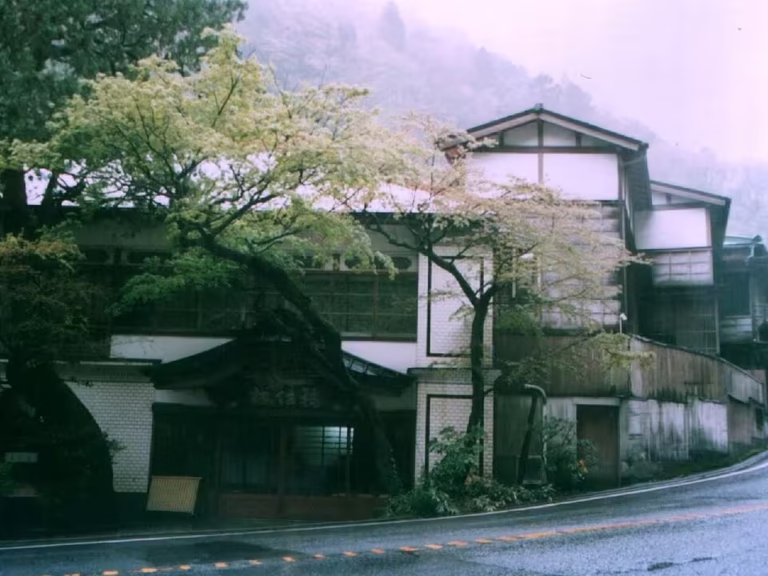
A Meiji ryokan on the Hayakawa River, where Japan's first toll road was planned over tea. The building is a registered cultural landmark. The baths are still fed by the original spring. You can still sleep there...
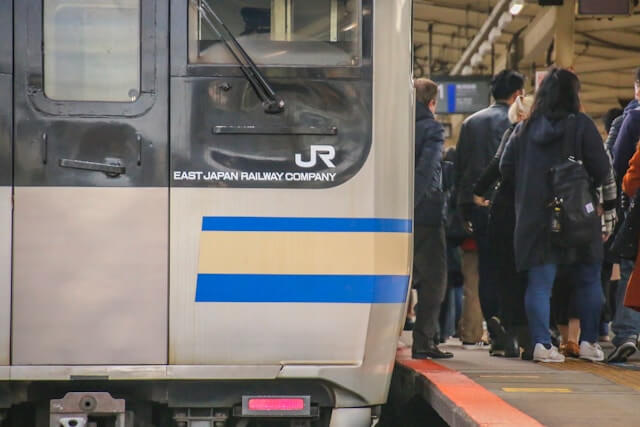
Five JR stations where the view begins the moment the doors open — no bus, no transfer, no further directions required...
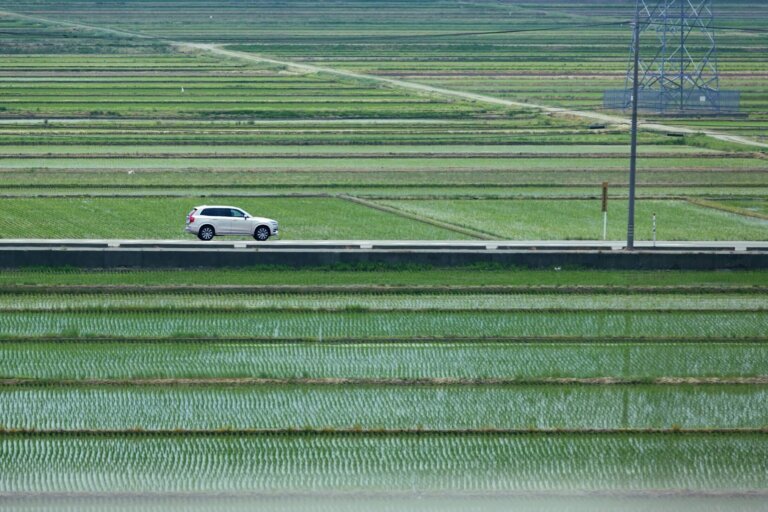
Depopulation, akiya, and the quiet economics of where you sleep and what you buy. A guide for travellers who want their visit to mean something beyond the itinerary...
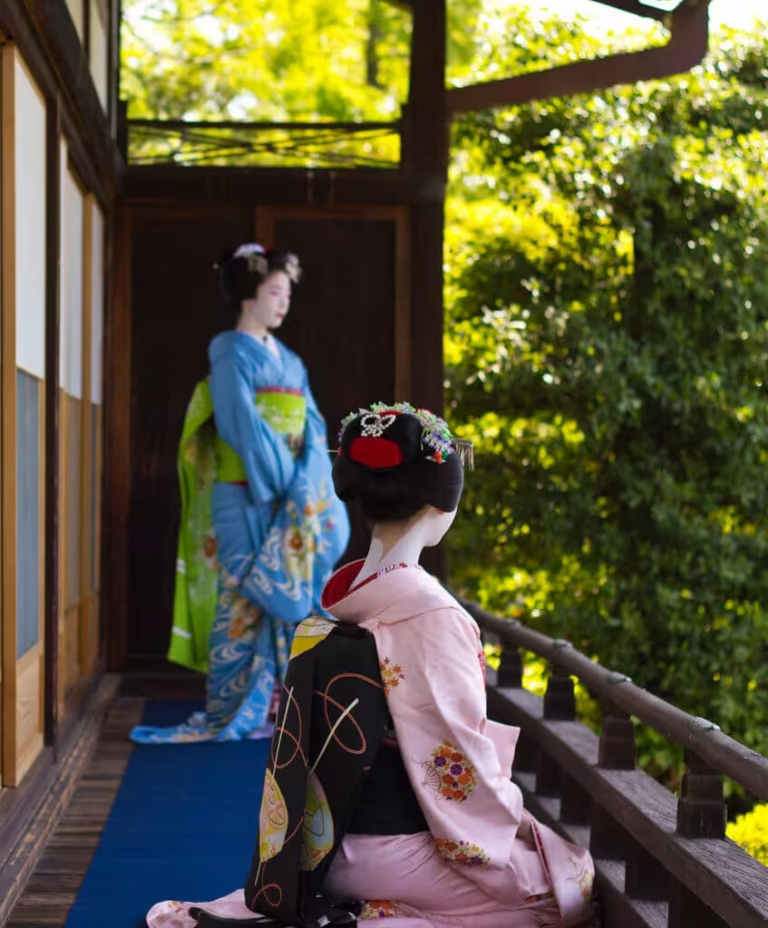
A cultural guide to the real world of geiko and maiko — tracing how a Western fantasy replaced a living profession of music, dance, discipline, and tradition...
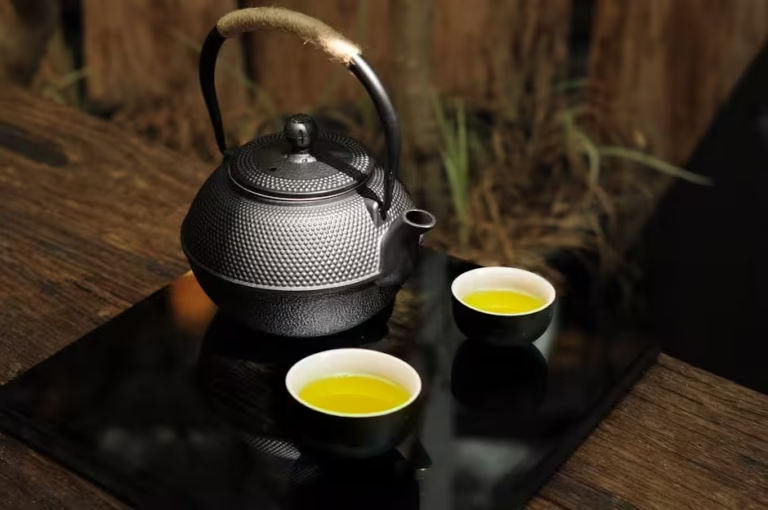
A guide to Japan's cast iron craft from Iwate — four centuries of fire, sand, and the discipline of making things meant to last...
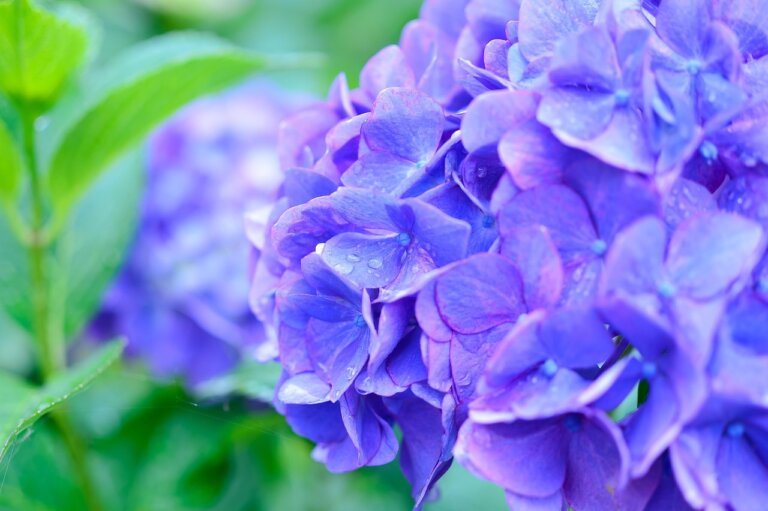
A cultural guide to Japan's rainy season — from moss gardens and hydrangea temples to fireflies, outdoor baths, and the quiet ryokan stays that only June can reveal...
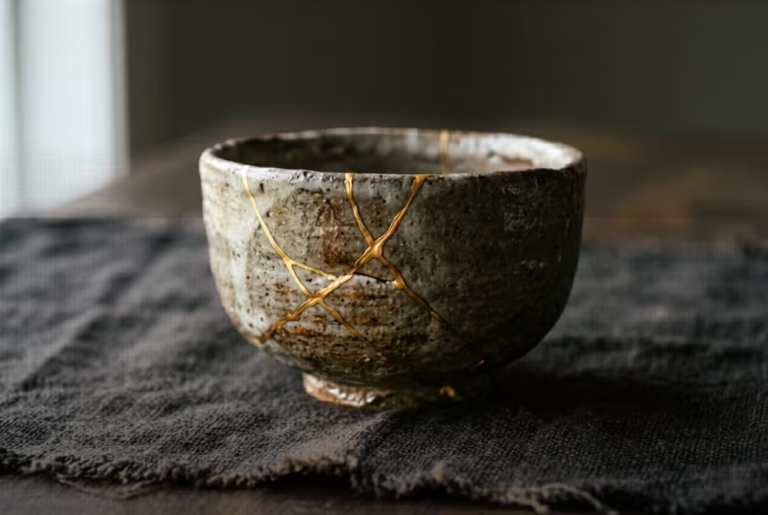
Find curated kintsugi works, authentic repair kits, and hands-on classes — selected for material integrity, transparency, and craft authenticity. Careful curation over endless choice...
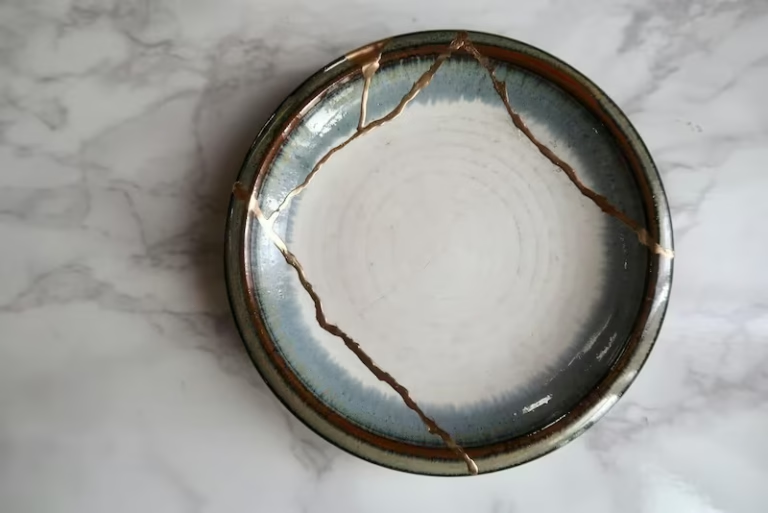
Kintsugi, where breakage is not an end, but a beginning. Discover the philosophy of wabi-sabi through ceramics reborn with gold...
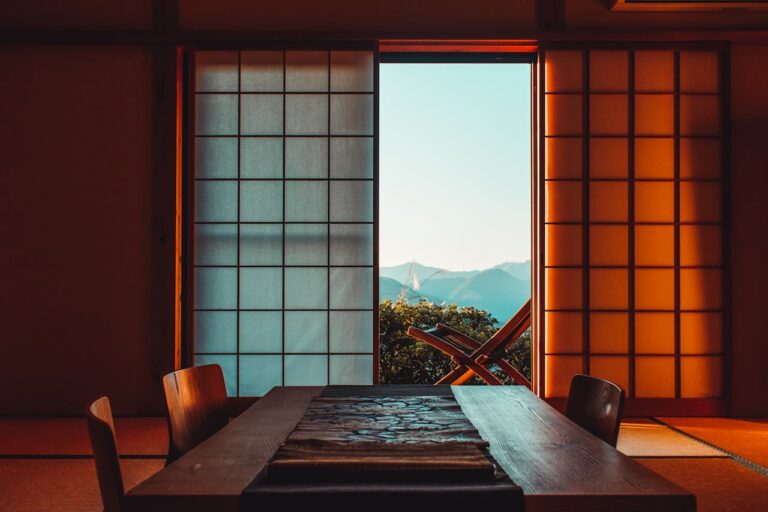
Yukata, onsen etiquette, kaiseki dining, private baths. A quiet, thorough guide to Japan's most considered form of hospitality — for those who want to arrive prepared...
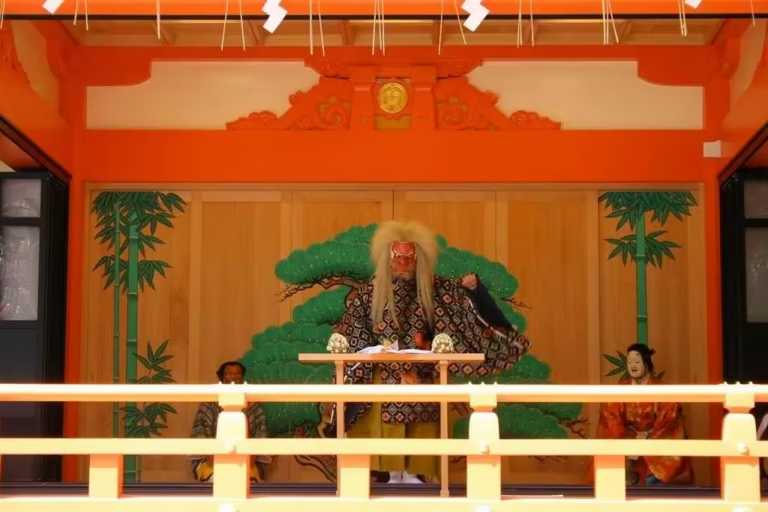
Asaba was founded in 1484, when a Buddhist monk opened lodging at the gate of Shuzenji Temple. The Noh stage — its reflection trembling in the pond — has stood here since the Meiji period...
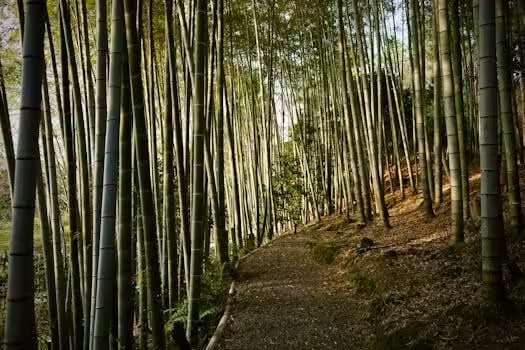
At Gyokusui in Oku-Atagawa, a yumori tends the spring by hand each morning — adjusting temperature without adding cold, preserving what makes the water worth entering...
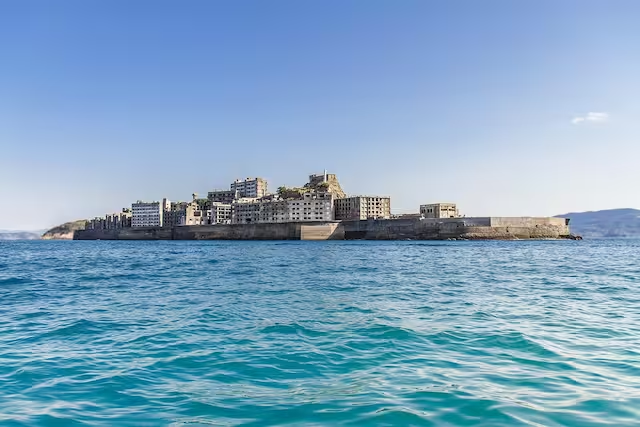
A cultural guide to Gunkanjima — beyond the ruins, through the memories of former residents who knew the island as home...
A cultural guide to Kyoto's quiet lanes, working craft streets, and early-morning spaces — for travelers who want to move beyond the checklist and learn how to read the city slowly...
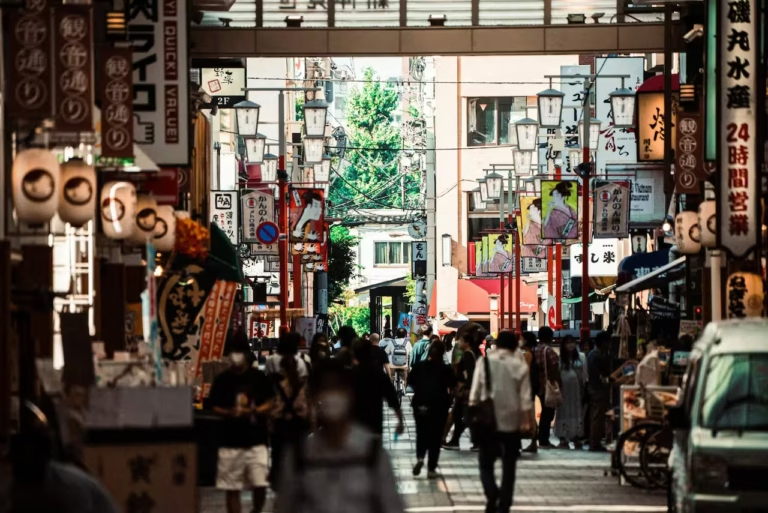
Edo urban logic, specialist districts, hidden gardens, and the architecture of stillness. A guide for those who want to move beyond the checklist and learn what the city is actually saying...
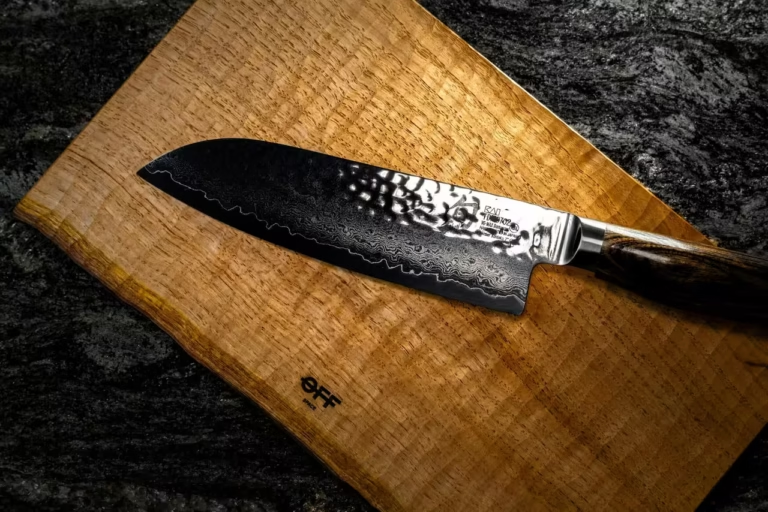
Japan's kitchen knife carries more than a sharp edge. It carries centuries of blade-making discipline — from Sakai's forge to the cook's hand...